Reid Inlet

A small, glacier-fed inlet in the West Arm of Glacier Bay where you can tuck behind an entrance spit and wake up within sight of Reid Glacier spilling down from the Brady Icefield.

25ftAvg Depth
GravelHolding
3.1/5Wind Protection
/5Member Rating
SmallCapacity
About this Anchorage

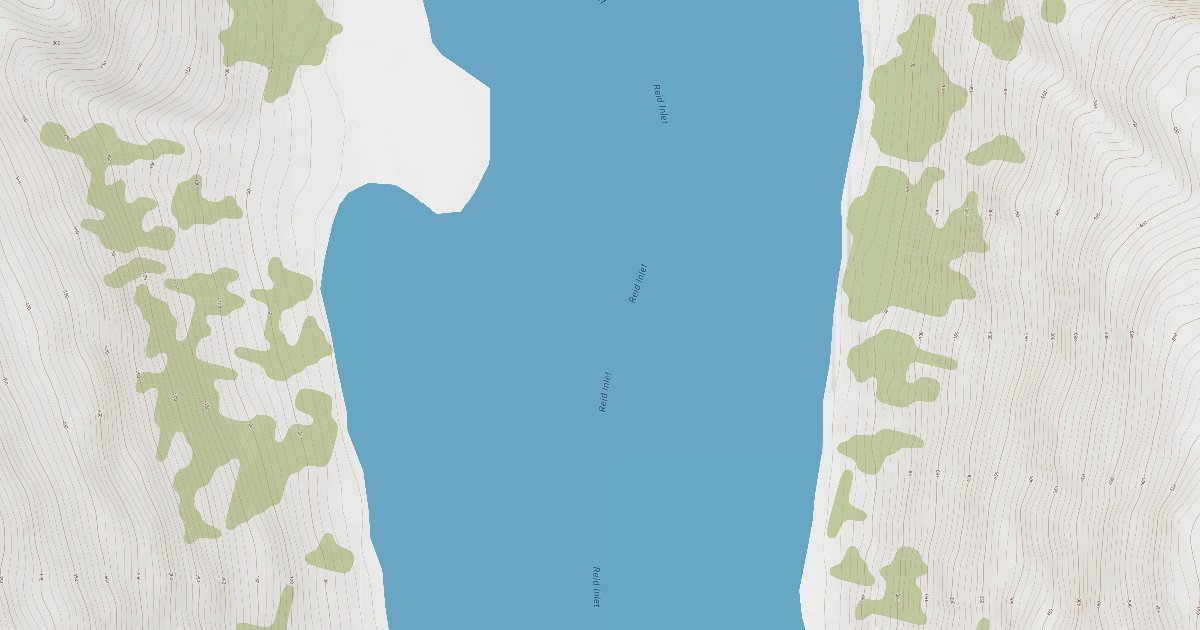
Reid Inlet is a roughly two-mile pocket on the west side of Glacier Bay's West Arm, near where Tarr and Johns Hopkins Inlets meet the main bay. At its head sits Reid Glacier, a former tidewater glacier now largely grounded on its own outwash; its central face still reaches salt water near high tide, and meltwater streams pour off the ice on both sides.

The favored anchorage is in the northwest corner just inside the mouth, where a low gravel-and-sand spit curls out to form a snug, shallow shelf. Most cruisers drop the hook here in about 20-30 feet; the rest of the inlet deepens quickly toward the glacier (well over 100 feet near the head). The milky, sediment-laden water, calving bergy bits, and the wall of ice a couple of miles south make this one of the most memorable overnights in the park.

Beaches and the moraine apron invite dinghy exploration and short hikes toward the glacier, and the basin is calm enough that many kayakers base out of here.

Be the first to follow Reid Inlet.
Local Knowledge

Approaches & Known Hazards

Approach notes, hazards to watch for, and what's available once you're tied up.

Approach from the West Arm and round into the inlet through the relatively narrow mouth, favoring the channel and not cutting the entrance spit too close. The spit and the glacial outwash deltas on the east and west shores are building shoals that dry or nearly dry on a minus tide, so sound your way in and watch for the shallow bar across the entrance; depths inside drop off sharply toward the head. Glacial sediment makes the water opaque, so depth-sound carefully rather than trusting your eyes, and expect floating ice and bergy bits drifting off Reid Glacier, especially during active calving.

Glacier Bay is inside a National Park: a private-vessel permit is required from June 1 through August 31 (daily quota), and you must obey vessel-management rules including whale-water speed and route restrictions and any seasonal closures. Carry current NOAA charts; surveys in these recently deglaciated waters are sparse and the bottom is changing as the glacier retreats.

What's nearby

  • Shore Access
Wind & Tides

Plan your stay

Wind protection summary and tide planning at a glance. Full per-direction and 7-day detail with Plus.

Wind Protection

Plus
3.1/5 Overall protection
Best from
N · W
Weakest from
S
Unlock full wind rose

Tides

Plus
Falling Low 10.4 ft at 4:24 AM
Current height
16.8 ft
Next extreme
Low at 4:24 AM
7-day forecast
Unlock 7-day forecast
Right Now

Conditions

Live readings from the nearest OpenWeather station and WorldTides; refreshed every few minutes.

Live
Wind 3 kn NW
Air 50 °F Updated 1 second ago
Sky Overcast clouds OpenWeather
Tide Falling Low 10.4 ft at 4:24 AM
Water Coming soon

Source: OpenWeather One Call API + WorldTides.

Tour

Walk through the anchorage

A curated photo + map walkthrough showing approach, mooring options, and points of interest.

Plus

A guided walkthrough of Reid Inlet with approach photos, depth notes, and points of interest — written by members who have been here recently.

Gallery

Photos from members

Member-uploaded images of this anchorage.

From the dock

Reviews & questions

Real first-hand reports and questions answered by members who have actually been here.

No reviews yet. Be the first.