Selling your boat yourself can be one of the most satisfying—and profitable—projects you take on as an owner. It’s also one of those tasks that seems simple at first (“take a few photos, post it online, cash the check”) until reality shows up wearing deck shoes and asking awkward questions about service records, survey results, and whether the head smells “normal.”
The truth is: private boat sales can go really well if you approach them with the same mindset you use for cruising—prepare, stay calm when the weather shifts, and don’t cut corners on the basics.
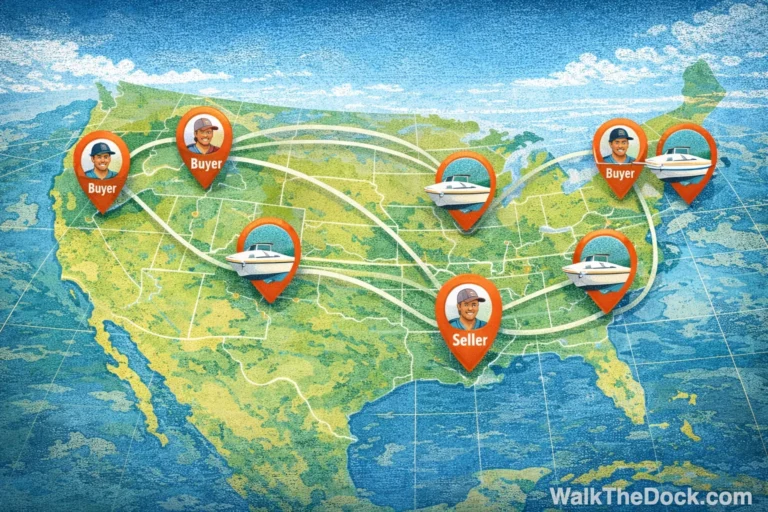
This guide walks you through the full process of selling your boat without a broker, including the upsides and risks, how to price it, how to market it, what paperwork you’ll need, and how to handle sea trials, surveys, and closing like a pro.
Let’s start with the big question: why skip a broker at all?
A broker can be valuable—especially for high-end boats, complicated transactions, or owners who don’t have the time or energy to manage the sale. But many owners choose to sell privately because:
they want full control of the sale
they want to save thousands in commission
they’re comfortable doing the legwork themselves
they already know their boat better than any broker ever will
If you’re organized, responsive, and willing to put in a few weekends of effort, selling your own boat can be totally doable.
1) You keep the broker commission
Broker commissions commonly run around 10% (sometimes more depending on region and price point). On a $150,000 boat, that’s $15,000 you’re not giving away.
2) You control the story
You know the boat’s history: what’s been upgraded, what’s been fixed, what’s quirky-but-livable. Buyers can tell when someone actually knows the boat.
3) Faster decisions, direct communication
No waiting for a broker to relay messages. No “I’ll check with the owner.” You can answer questions instantly and keep momentum.
4) You can market creatively
You can make a killer listing, post videos, create walkthroughs, share maintenance logs, and leverage communities (Facebook groups, forums, marinas, etc.).
1) Time and effort
Private sale = you’re the broker, the marketing department, customer service, and scheduler. Expect inquiries, tire-kickers, rescheduling, and the occasional “will you trade for a dirt bike?”
2) Screening buyers is on you
Some folks are just curious. Some are dreamers. Some are serious. You’ll need a simple system to separate buyers from browsers.
3) Paperwork and money handling requires care
Selling privately means you must be careful with deposits, payment methods, documentation, and avoiding scams.
4) Negotiation is more personal
When a buyer negotiates with a broker, it can feel like business. When they negotiate with you, they might casually critique your boat like it’s a used toaster. You’ll need a thick skin.
Before you post anything, ask yourself:
Do I need this sold by a specific date?
Can I handle showings and sea trials for a month or two?
Am I willing to negotiate, or do I want to list firm?
Do I want a fast sale, or the best price?
Your timeline determines your pricing strategy. Boats listed too high “sit,” and boats that sit start to look suspicious.
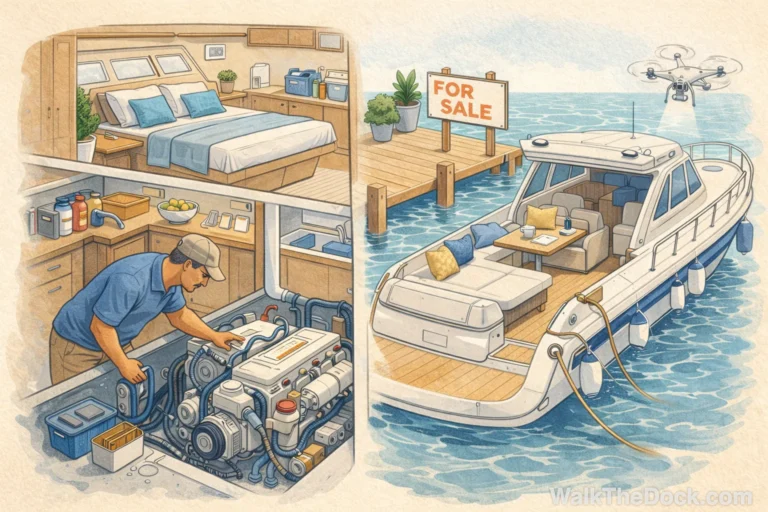
This is the part most sellers underestimate: presentation sells boats.
Think of it like staging a house—buyers don’t just buy fiberglass and horsepower. They buy a future.
Clean like your price depends on it (it does).
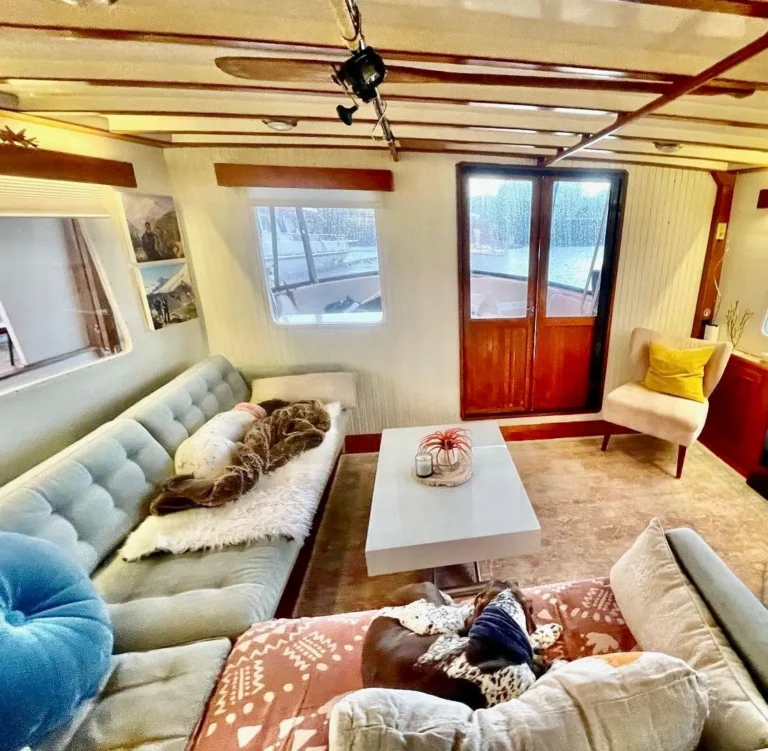
Deep-clean interior: galley, head, fridge, bilges (yes, bilges)
Remove clutter and personal items
Dehumidify and ventilate
Wash hull and topsides
Clean the engine room enough that it looks cared for
Fix the cheap stuff that screams “neglected.”
replace dead lights
tighten loose latches
fix torn screens, broken hatch stays
address small leaks
touch up obvious cosmetic issues
Address odor early.
A boat that smells like mildew or diesel is harder to sell than one with a dead battery. Run fans, clean soft goods, wipe lockers, and consider replacing old hoses if needed.
Make it show-ready in 20 minutes.
Because you will get “Hey, can I see it tomorrow?” texts.
Buyers love boats with a paper trail. It reduces uncertainty.
Create a digital folder (Google Drive works fine) and include:
title/registration documents
maintenance logs (even informal ones)
receipts for major upgrades
engine service history
generator service records
haul-out and bottom paint records
insurance claim history (if applicable)
equipment list (electronics, tender, outboard, etc.)
manuals for key systems (watermaker, inverter, HVAC, windlass)
If you’ve done upgrades, make a simple one-page “Upgrades & Improvements” list. Buyers eat that up.
Pricing is the single biggest driver of how fast you sell.
Here’s what many owners do wrong:
“I saw one listed for $X so mine is worth $X.”
But listing price is not selling price.
Start with comps, then adjust for:
engine hours and service history
electronics age and usefulness
overall cosmetic condition
tender/outboard included or not
major refits or deferred maintenance
location (some markets are hotter than others)
A) “Sell fast” pricing
price slightly below the strongest comparable listings
attracts serious buyers quickly
reduces time-wasters
B) “Market value” pricing
price in the middle of the market
longer sale window, fair outcome
C) “Optimistic but realistic” pricing
price a bit high with room to negotiate
can work if boat is exceptional and turnkey
If you price too high, you’ll end up doing price drops, and buyers will assume something is wrong.
This is where private sellers often lose.
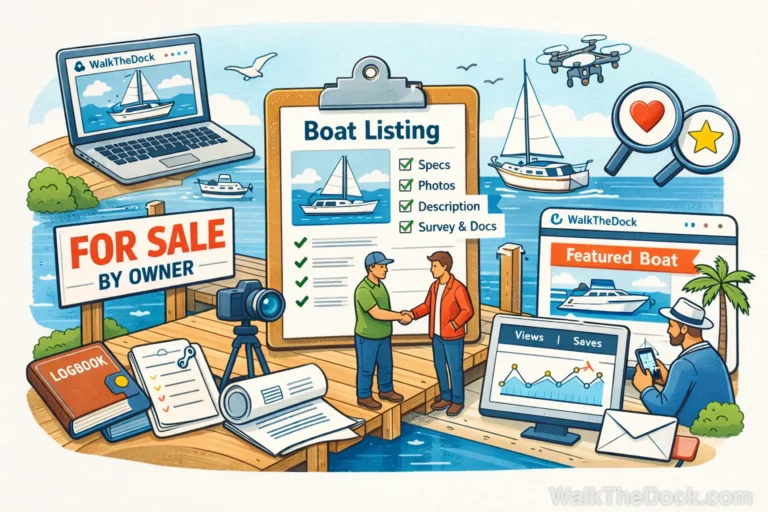
A great listing does three things:
makes the buyer feel something
answers their most common questions
makes it easy to take the next step
Headline that signals the right buyer
Example:
“Well-Maintained Cruiser with New Electronics + Recent Survey”
“Turnkey Liveaboard Trawler – Extensive Upgrades + Spares”
“Family-Friendly Coastal Cruiser – Ready for Summer”
Photos (more = better, but only if good)
You want:
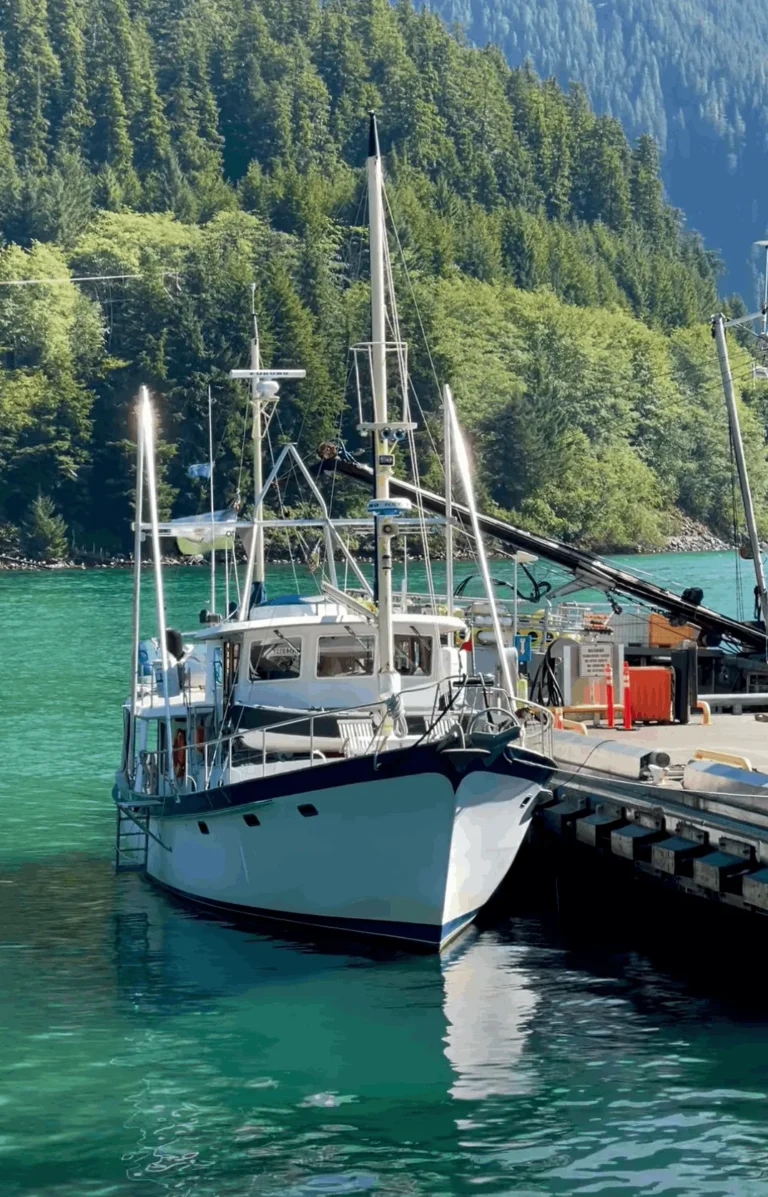
wide exterior shots (both sides, bow, stern)
helm shots
salon looking forward and aft
galley
stateroom(s)
head(s)
engine room
bilge (clean!)
electronics closeups
batteries/inverter setup if upgraded
any defects (yes, show them—build trust)
Video walkthroughs
Even a phone video helps buyers pre-qualify themselves. It saves you time.
A clean spec list
People scan. Use bullets:
LOA, beam, draft, displacement
engine make/model/hours
fuel capacity, water capacity
generator (if any)
refrigeration
heat/AC
navigation suite
ground tackle
dinghy/outboard
Honesty about flaws
Buyers don’t expect perfection. They do expect integrity.
Example:
“Starboard wiper motor intermittent”
“Canvas is serviceable but nearing end of life”
“Autopilot works but could use calibration”
That kind of honesty makes the rest of your listing more credible.
The best place depends on your boat type and buyer pool. Good options include:
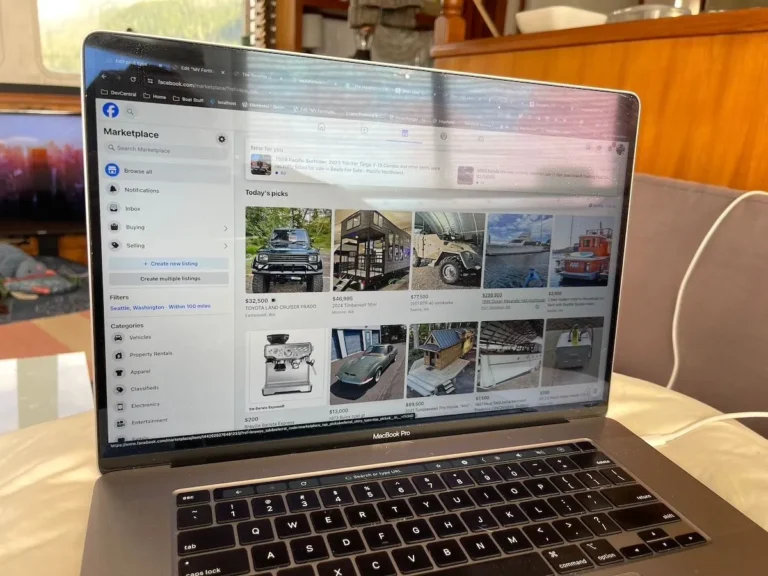
Facebook Marketplace (works surprisingly well)
boat-specific Facebook groups
regional boating groups
forums (e.g., cruising/trawler/sail forums)
Craigslist (still works in some areas)
Boat Trader / YachtWorld alternatives for private sellers (varies by region)
Pro tip: don’t rely on one platform. Cross-post smartly.
You need two things:
a quick system
boundaries
Reply fast.
Responsive sellers sell boats.
Ask qualifying questions early:
Are you looking for something to cruise/liveaboard/weekend?
What’s your timeline to purchase?
Have you owned a boat like this before?
Will you need financing?
Are you local or traveling in?
Don’t take lowball offers personally.
Just respond:
“Thanks — we’re not there right now, but I appreciate the offer.”
Have a simple “Next step” process
Example:
Send full spec sheet + video link
Schedule viewing
If serious, take a refundable deposit (optional)
Arrange survey + sea trial
When someone comes to see the boat:
show up early
have it aired out
have lights on
make it feel open and clean
be friendly, not salesy
Let them explore. Answer questions honestly. Don’t talk yourself into a price drop mid-tour.
Bring a simple printed sheet:
boat specs
your contact info
key upgrades
recent service highlights
People appreciate something they can take with them.
This is where most private sales either succeed or fall apart.
Buyer makes an offer (often subject to survey)
Buyer places a deposit
Survey is scheduled
Sea trial happens
Buyer accepts / renegotiates / walks away
Closing paperwork + payment
coordinate access
be available (or give surveyor access)
keep your cool if the buyer negotiates after the survey
Survey findings are normal. The boat doesn’t have to be perfect. It has to be fairly represented.
Private sale negotiation should be:
calm
factual
documented in writing
needed repairs from survey
electronics value vs. age
cosmetic issues
safety items (fire extinguishers, flares, etc.)
tender/outboard inclusion
timing / logistics
A good rule:
If the survey reveals something you genuinely didn’t know, it’s reasonable to adjust.
If it reveals known issues you already disclosed, hold firm.
This is the “don’t mess around” phase.
Use a written bill of sale.
Include:
buyer/seller name and contact
boat description (make/model/year/HIN)
sale price
“as-is, where-is” language (commonly used)
date of transfer
included equipment list
Confirm title/registration requirements.
These differ by state/province/country.
Use safe payment methods
Avoid anything reversible or sketchy.
Common safe approaches:
wire transfer
cashier’s check verified at issuing bank
escrow services (especially for higher-value boats)
Do the handover thoughtfully
Create a checklist:
keys handed over
documentation folder transferred
training/orientation time (if you’re willing)
marina/moorage transfer (if applicable)
A smooth handover reduces post-sale chaos.
Here’s the “print this and tape it to the fridge” version:
✅ Clean + declutter
✅ Fix obvious small problems
✅ Gather receipts + maintenance records
✅ Take 30–60 great photos
✅ Record a walkthrough video
✅ Write clear listing + honest details
✅ Post in 3–5 places
✅ Respond quickly + qualify buyers
✅ Show boat clean and aired out
✅ Use written offer/deposit terms
✅ Survey + sea trial
✅ Final paperwork + payment
✅ Deliver boat + documents + keys
If you want maximum convenience, minimal hassle, and you’re comfortable paying commission, a broker can be a great fit.
But if you want control, transparency, and the best chance of keeping more of your boat’s value in your pocket, selling privately can absolutely work—as long as you approach it like a real project.
The owners who win at private sales don’t necessarily have the nicest boat. They have the best combination of:
clean presentation
honest documentation
responsive communication
realistic pricing
calm, professional transaction handling
And honestly? A well-run private sale can feel like the best kind of boating moment: smooth, orderly, and slightly unbelievable that it all went that well.


There are no results matching your search