
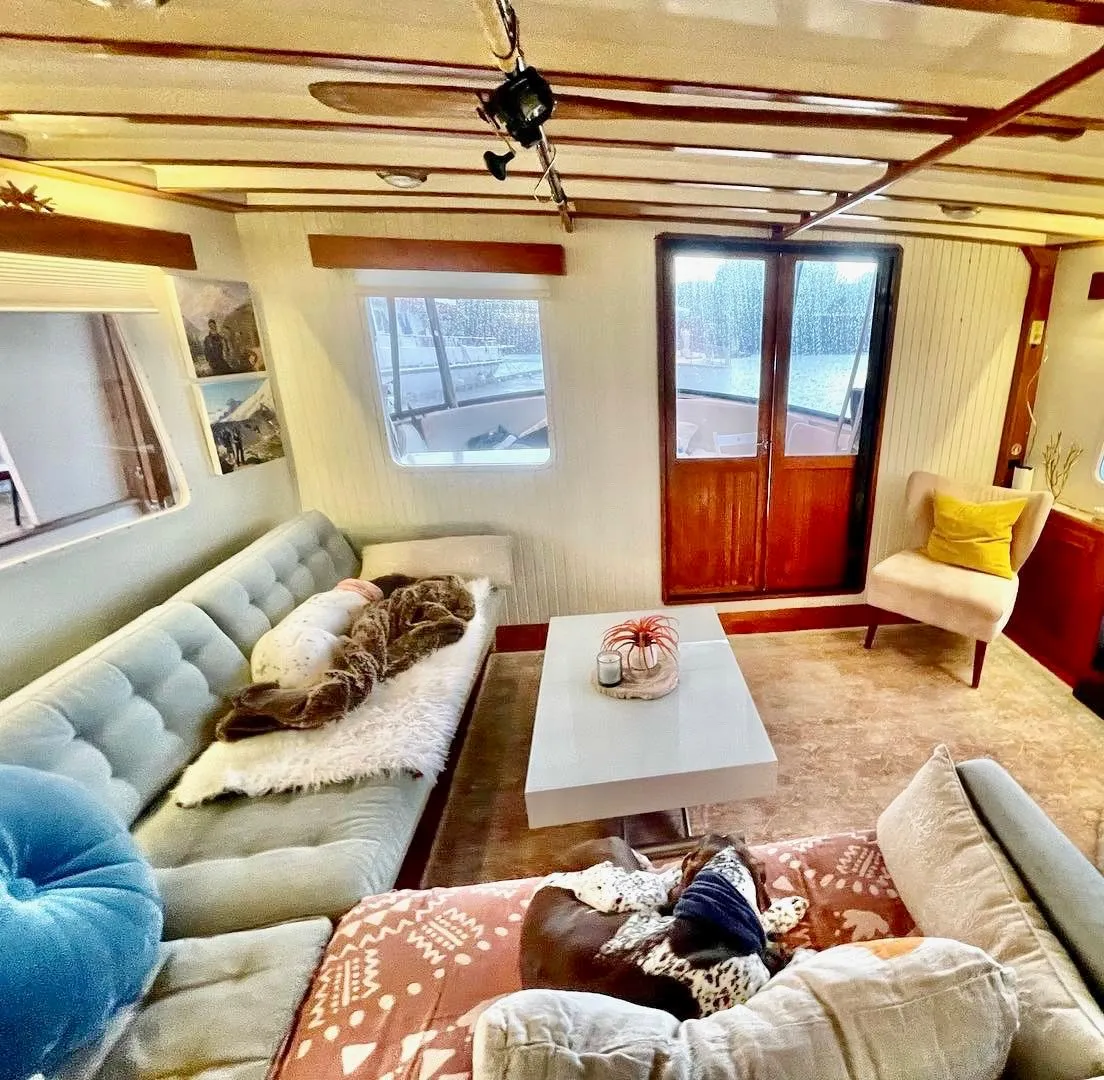
When we first made the leap to live aboard our boat, we knew it would take more than just moving in our belongings to make it feel like home. A boat isn’t just a mode of transportation—it’s your sanctuary, your safe harbor, and for liveaboards, it’s where life happens. Creating an interior space that feels like a true home while respecting the unique challenges of a vessel requires creativity, planning, and a willingness to adapt.
Understanding Your Space
The first step in transforming your boat into a home is understanding its layout and limitations. Boats, by their nature, have irregular shapes, limited storage, and multi-functional spaces. To make the most of the available square footage, we measured every nook and cranny. Knowing the dimensions of our living spaces gave us a clear starting point for designing.
We also paid attention to how we used different areas. Where did we naturally spend the most time? What spaces felt cramped or underutilized? Identifying these patterns helped us prioritize our efforts.
Prioritize Comfort Without Sacrificing Functionality
Living aboard doesn’t mean you have to give up on comfort or aesthetics. Our goal was to make every part of the interior not only functional but also inviting.
Seating and Sleeping Areas: The saloon and staterooms are where you spend the most downtime, so these were our priority. We upgraded cushions to high-density foam and opted for fabrics that were both durable and cozy. For the stateroom, we invested in a quality mattress topper that transformed the standard boat mattress into a bed that rivals anything on land.
Lighting: Nothing transforms a space like good lighting. We replaced harsh overhead lights with warm LED fixtures and added dimmers to create a cozy atmosphere. Task lighting in the galley and reading lamps in the saloon made a huge difference.
Smart Storage Solutions
Storage can make or break your onboard living experience. Boats are notorious for their lack of space, so every square inch had to count. We used several strategies to maximize storage:

Custom Built-Ins: We replaced awkward, underutilized spaces with custom-built storage cabinets. For example, a dead corner in the saloon became a compact bookshelf.
Multipurpose Furniture: We chose ottomans with hidden storage and a convertible dining table that doubles as extra prep space in the galley.
Vertical Space: Hooks, hanging baskets, and magnetic strips turned walls and doors into functional storage areas for everything from kitchen tools to hats and keys.
Infuse Your Personality
A home should reflect who you are, and a boat is no different. While space is limited, there’s still plenty of room to make it yours.
Decor: We added soft throws, colorful cushions, and a few pieces of art to give the space character. Everything was chosen with an eye toward durability and the marine environment—no fragile knick-knacks that could fly across the cabin in rough seas.
Personal Touches: Photos of family, books we love, and a small collection of treasures from our travels made the space uniquely ours.
Don’t Compromise on the Galley
For us, the galley was non-negotiable. We love to cook and entertain, so creating a functional and enjoyable galley was a top priority.
Appliances: While marine-grade appliances can be expensive, they’re worth the investment. Our fridge and stove were upgraded to models that fit perfectly into the space while providing the performance we needed.
Organization: Pull-out racks, labeled containers, and a pegboard for utensils kept everything within reach without cluttering the limited counter space.
Ambiance: Even in the galley, we added a touch of warmth with a small herb garden in a magnetic planter.
Create Outdoor Living Areas
One of the best parts of living on a boat is the access to the outdoors. We made our aft deck and flybridge into comfortable, functional spaces for relaxing and entertaining.
Seating: We invested in outdoor furniture that’s lightweight, weatherproof, and easy to store.
Shade and Weather Protection: A retractable sunshade and removable wind screens made the deck usable in a variety of weather conditions.
Lighting: String lights added a cozy ambiance for evenings spent under the stars.
Plan for Practicalities
A boat isn’t a static home, so the practical aspects of liveaboard life required some creative thinking.
Laundry: We added a small, compact washer/dryer combo to the utility space.
Power Management: Installing solar panels and upgrading the battery bank ensured we had enough power for all our comforts without relying on shore power or the generator constantly.
Waste Management: We optimized our holding tank system and made sure we had an efficient composting toilet for long trips.
Lessons Learned
The process of turning a boat into a home taught us a lot about living with intention. Every decision had to balance form and function, and while we sometimes had to make compromises, we never sacrificed the things that made the space feel like ours.
The Payoff
After months of planning and hard work, our boat is more than just a vessel—it’s truly our home. We’ve created a space where we can relax, entertain, and enjoy life on the water without feeling like we’re giving anything up.
For anyone thinking about making the transition, our advice is simple: prioritize comfort, use your space wisely, and don’t be afraid to infuse your personality into every corner. A boat may not have the square footage of a house, but with some creativity, it can feel just as much like home.