Approach notes, hazards to watch for, and what's available once you're tied up.
Wind protection summary and tide planning at a glance. Full per-direction and 7-day detail with Plus.
Live readings from the nearest OpenWeather station and WorldTides; refreshed every few minutes.
A curated photo + map walkthrough showing approach, mooring options, and points of interest.
A guided walkthrough of Petersburg Anchorage with approach photos, depth notes, and points of interest — written by members who have been here recently.
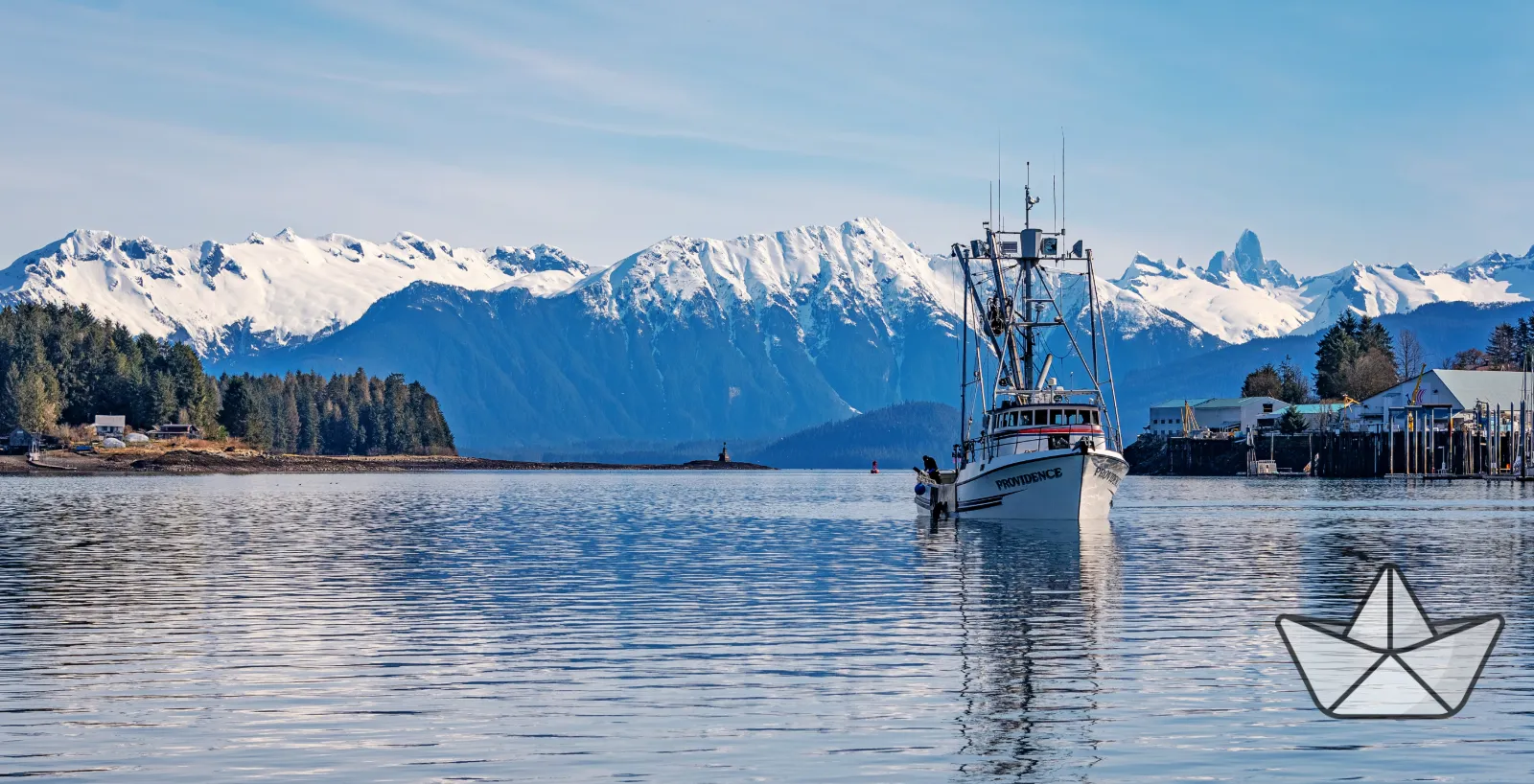
Member-uploaded images of this anchorage.
Real first-hand reports and questions answered by members who have actually been here.
Cruising info goes stale fast — fees change, fuel docks close, hours shift. WalkTheDock stays accurate because boaters who’ve actually been here keep it current. Spot something out of date? Suggest a correction; once a moderator approves it the change goes live and you’re credited below.
 April 30, 2026
- April 30, 2026
 April 30, 2026
- April 30, 2026
- April 30, 2026
- April 30, 2026
Cruising-distance picks near this anchorage.